
The Impact of Potholes and Uneven Roads on Your Windscreen's Lifespan
Potholes and uneven roads are a common hazard across Liverpool and the surrounding suburbs, and they do more than jolt your suspension. Repeated impacts from poor road surfaces accelerate windscreen deterioration, increase the chance of cracks and chips, and raise the likelihood of full replacements. This article explains how road damage affects your windscreen, what signs to watch for, and practical steps Liverpool drivers can take to protect their vehicle glass.
How Road Impacts Create and Worsen Windscreen Defects
When a wheel hits a pothole or a section of uneven pavement, the sudden vertical force transfers through the tyre and suspension into the vehicle body. That force causes a brief but significant distortion of the windscreen frame. Laminated windscreens rely not only on the glass itself but also on the adhesive bonding and the vehicle chassis to distribute loads. Repeated flexing or a single severe impact can compromise the integrity of that bond or create microfractures in the laminated layers. A stone thrown up into the windscreen at the moment of impact is more likely to create chips because the glass is already under transient stress.
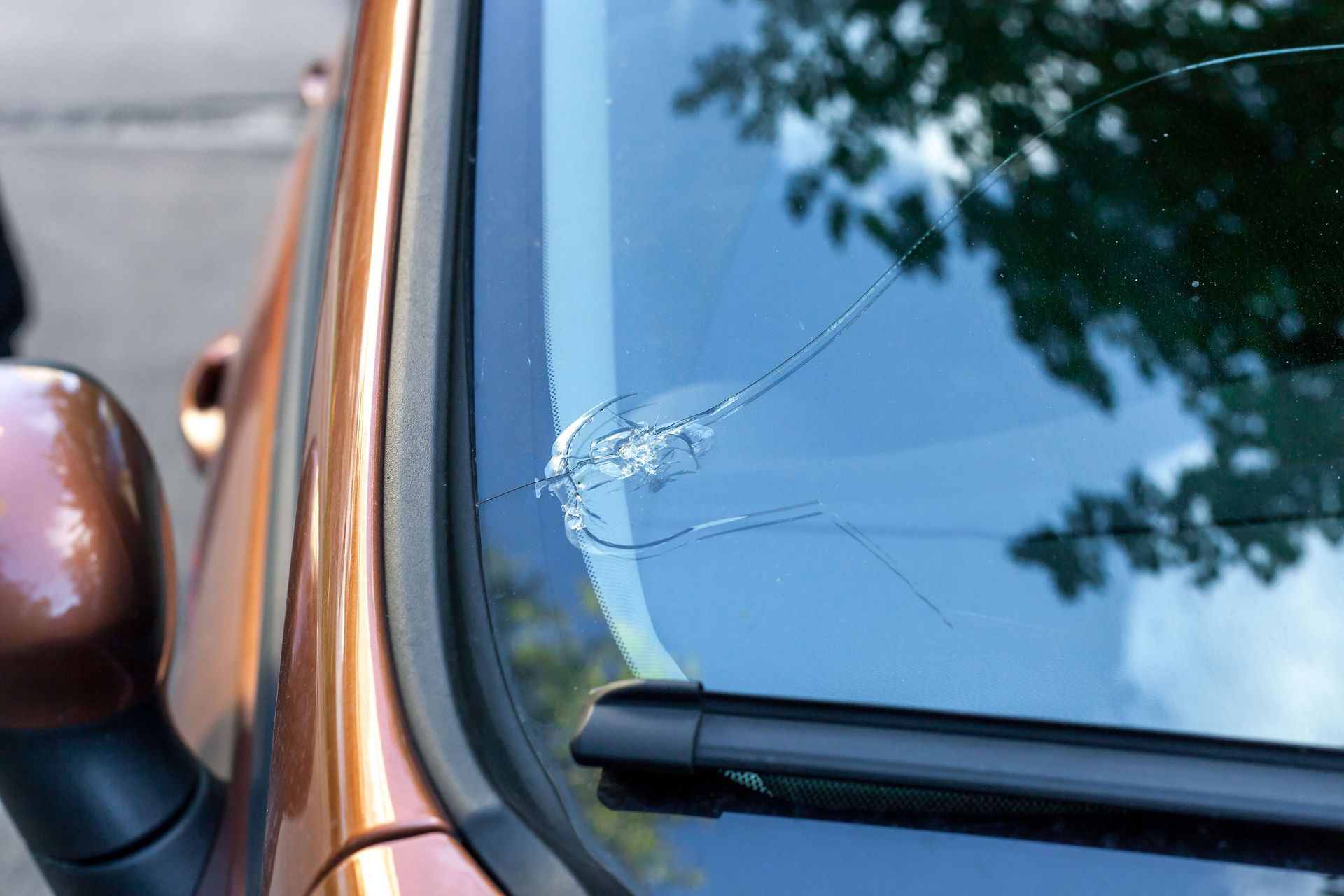
Initial chips and hairline cracks are often deceptively small, yet they act as stress concentrators. Temperature changes and further road impacts exacerbate the stress at the defect, which allows the crack to propagate. In urban Liverpool driving conditions, frequent stops, sharp turns, and rough local streets combine to give many small stress cycles each week. Over time, what began as a minor chip can extend across the pane, creating distortion in the laminated interlayer and compromising structural performance in a collision. That increases the chance that airbags will not deploy correctly against a compromised windscreen assembly.
Not all defects require immediate replacement, but the location and size matter. Chips within the driver’s line of sight, or cracks that reach the edge of the glass, present a high risk because edge cracks interact with the bonding surface and can lead to seal failure. In these cases, prompt professional assessment reduces the risk of sudden failure while driving.
Recognising Symptoms and When to Seek Repairs
After a significant jolt or repeated exposure to poor road surfaces, inspect the windscreen visually and from inside the cabin. Look for fresh chips, hairline radial cracks, changes in optical clarity such as rippling or ghosting, and signs of moisture or mist between the laminated layers. Edge chips often signal that the adhesive sealing has been damaged, which can allow water ingress and accelerate internal delamination. If you notice small pits or star-shaped chips, treat them as early warning signs that the defect may grow.
Deciding whether to repair or replace depends on several factors. Small stone chips that are away from the driver’s primary sightline and under about 10 to 20 millimetres often respond well to resin repair. A competent technician can typically restore optical clarity and structural continuity, preventing crack propagation if the damage is caught early. However, cracks longer than about 75 to 100 millimetres, those that extend to the windscreen edge, or those that have multiple fracture paths often require a full replacement to restore safety. Older vehicles with brittle glass or windscreens that have existing repairs in the same area may not be suitable for further repair work.
Prompt action matters. Leaving small damage untreated increases the chance of the defect growing during subsequent trips over potholes or speed humps. For Liverpool drivers, who may encounter rough suburban streets and occasional highway stretches, an early visit to a professional for an assessment will often save time and expense versus delayed replacement. When assessing options, ask technicians about the expected outcome, any warranty on the repair, and whether their work meets Australian standards for vehicle glazing.
Prevention and Maintenance Strategies for Longer Windscreen Life
Reducing impact severity starts with driving technique. Slowing down before potholes and rough patches reduces the vertical acceleration transmitted to the chassis and glass. Where possible, avoid sudden braking that can shift vehicle weight forward and increase stress on the windscreen during impact. Maintaining correct tyre pressure also matters; underinflated or overinflated tyres transmit more force through to the suspension and body, making chips and cracks more likely when you hit a pothole. Regular suspension checks ensure worn bushes or shock absorbers are not amplifying road shocks.
- Inspecting your vehicle regularly helps catch minor damage early. After driving over rough roads, use natural light to scan the glass for new marks, and check inside the car for changes in visibility.
- Keep the windscreen clean with appropriate glass cleaners rather than abrasive materials that can hide or worsen small defects.
- If you find a small chip, protect it from moisture and dirt by applying a temporary clear adhesive patch or using a specialist repair kit until you can see a professional. Moisture trapped in a crack will often make repairs less effective and can lead to delamination.
- When damage occurs, choose a reputable provider for assessment and repair. Liverpool AutoGlass offers same-day mobile windscreen service with technicians who can advise whether a repair will suffice or a replacement is necessary. Professional repair restores strength and optical clarity more reliably than DIY attempts.
- If replacement is needed, ensure the new windscreen and adhesives comply with Australian standards and that the technician allows the prescribed curing time before the vehicle is driven. That curing time is essential because premature driving can disturb the bond and trap stresses that encourage cracking.
Finally, be mindful of environmental factors that interact with road damage. Temperature changes, direct sunlight, and coastal humidity in some parts of the Liverpool area can accelerate adhesive deterioration and glass fatigue. Park in shade when possible and avoid sudden temperature shocks such as blasting hot air at a cold windscreen, because thermal stress can convert a small chip into a large crack.
Conclusion
Potholes and uneven roads are an everyday hazard that do more than unsettle your ride. Repeated impacts create and worsen chips and cracks by stressing the glass, adhesives, and vehicle frame; without prompt inspection and repair, small defects can grow into safety-critical failures that require full windscreen replacement. Drivers in Liverpool should therefore combine careful driving habits and regular vehicle maintenance with early professional assessment after any notable jolt.
Practical prevention pays off. Slowing down before rough surfaces, maintaining correct tyre pressures and suspension health, inspecting the glass after rough trips, and using trusted local services for timely repairs will extend your windscreen life and protect both visibility and vehicle safety. If you suspect windscreen damage, Liverpool specialists can evaluate the issue, perform quality repairs or arrange replacements that meet Australian standards, and provide mobile windscreen service to get you back on the road with minimal disruption.
About Liverpool AutoGlass
Liverpool AutoGlass is a local windscreen repair and replacement specialist serving Liverpool and surrounding suburbs, offering same-day mobile windscreen service, windscreen repair, side and rear glass replacement, truck and bus windscreen solutions, and windscreen rubber resealing. The team provides tailored assessments, obligation-free quotes, and a lifetime warranty on workmanship, using glass and adhesives that comply with Australian standards. With experienced technicians available 24/7 and a focus on prompt, professional service, Liverpool AutoGlass helps drivers limit downtime, reduce long-term costs, and maintain vehicle safety across the Liverpool area.